Workforce & Immigration Strategy for Food Processing & Meat Production
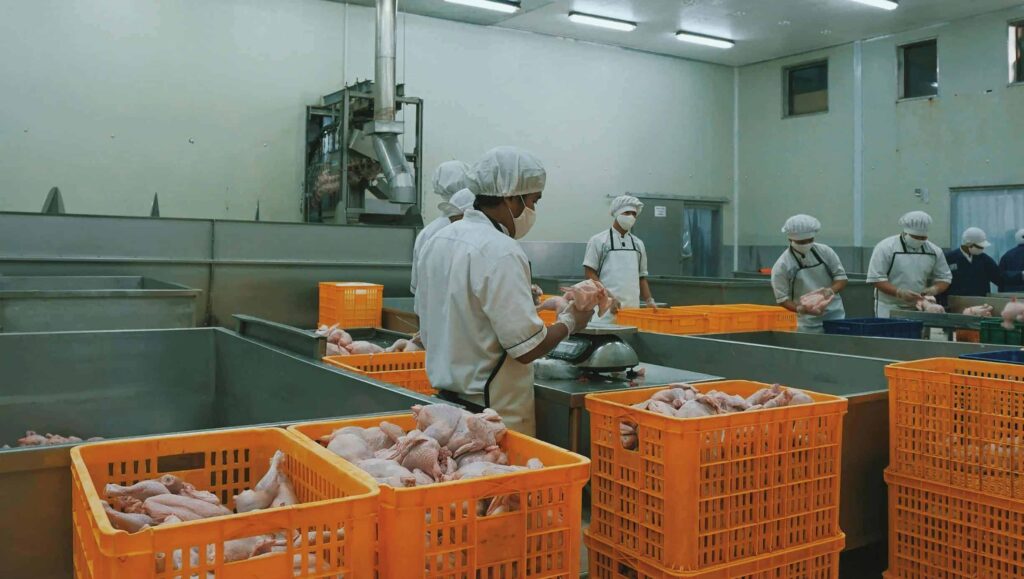
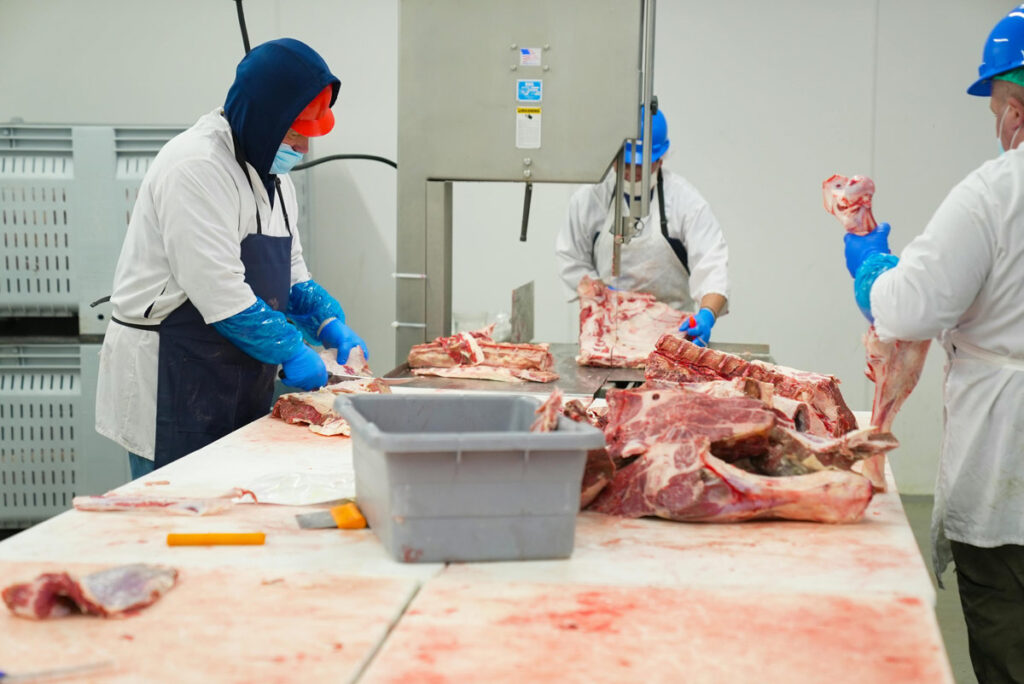
The protein industry runs on precision — from live-animal handling and slaughter to fabrication, processing, packaging, food safety, and distribution. Your operations can’t slow down, and you can’t rely on a single visa program to staff such a complex system.
We help food processors, meat producers, and vertically integrated livestock companies build reliable, compliant, multi-layered workforce strategies using the right immigration tools — and domestic recruitment when immigration isn’t the right option.
Food processing and meat production are among the most labor-intensive and compliance-sensitive industries in the country.
We understand the complexities:
Live-animal handling
Slaughter & kill floor operations
Fabrication
Deboning
Grinding
Packaging
Rendering
Cold-chain logistics
Sanitation
Further processing
Multi-site and vertically integrated systems
Your production environment needs a workforce strategy as complex as the work itself.
We work with:
Pork producers
Poultry producers
Beef processors
Turkey integrators
Multi-state processing groups
Protein manufacturing plants
Agricultural processing plants
Mixed protein/ag operations
Vertically integrated live-animal producers
These operations require stability, compliance, and long-term planning — not guesswork and not single-product visa models.
Workforce Tools For The Protein Industry
H-2B — Temporary Labor for Processing Environments
The H-2B program can be a powerful tool for certain seasonal or peakload needs in processing environments — but it is not always the right option, and many professionals misunderstand when it applies.
We help processors determine:
– Whether their workload truly qualifies as temporary
Whether peakload, seasonal, or one-time occurrence arguments are viable
How job duties must be structured
Whether H-2B is appropriate or an alternative is safer
Because H-2B is not always the right fit, and because many processing roles do not qualify under H-2A, we’ve built a parallel solution:
Domestic Recruitment
A pipeline of U.S.-authorized workers for roles where immigration is not appropriate or cannot move fast enough.
This allows processors to:
Fill urgent labor gaps
Backfill high-turnover positions
Stabilize production
Avoid misapplying visa categories
Reduce reliance on seasonal programs
We help you use H-2B correctly — and only when it’s the right tool.
EB-3 (Skilled, Professional & Other Workers) — A Tool for Retention
EB-3 is one of the most effective long-term workforce tools for processors, especially those facing high turnover.
EB-3 supports:
General labor
Line workers
Sanitation
Packaging
Quality assurance
Maintenance and equipment roles
Supervisory positions
EB-3 reduces turnover, improves reliability, and builds a stable, year-round workforce. We help build and manage EB-3 pipelines that stay full, compliant, and aligned with production forecasts.
TN, H-1B, L-1 & Skilled Professional Roles
Processing operations rely on specialized talent, including:
Food safety specialists
Quality control managers
Lab technicians
Veterinarians
Animal scientists
Industrial engineers
Production supervisors
Plant managers
Logistics & cold-chain specialists
We help staff technical, scientific, and management roles with precision.
Year-Round & Peak-Season Strategy For Processors
Food processing operates almost year-round — but with fluctuations that require strategic planning:
Holiday production cycles
Protein demand surges
Supply chain shifts
Live-animal availability
Retail and foodservice seasonality
We help you build multi-year workforce maps that match:
Throughput
Production forecasts
Facility expansions
New product lines
Multi-site operations
Predictable staffing = predictable production.
Compliance For Processing & Meat Operations
Compliance risk in protein production is extremely high — especially when job duties are misunderstood or visa programs are misapplied.
We provide support with:
Notices of Deficiency (including when we didn’t file the original application)
Notices of Audit Examination
Workforce trainings
Correct visa-category alignment
Job duty structuring
Documentation systems and internal controls
However, we prefer to handle the H-2B filing from the beginning to ensure:
The job order is correct
The burden of proof is met
The temporary need argument is defensible
The seasonality or peakload is properly documented
Misclassification is expensive. We help you avoid it.